

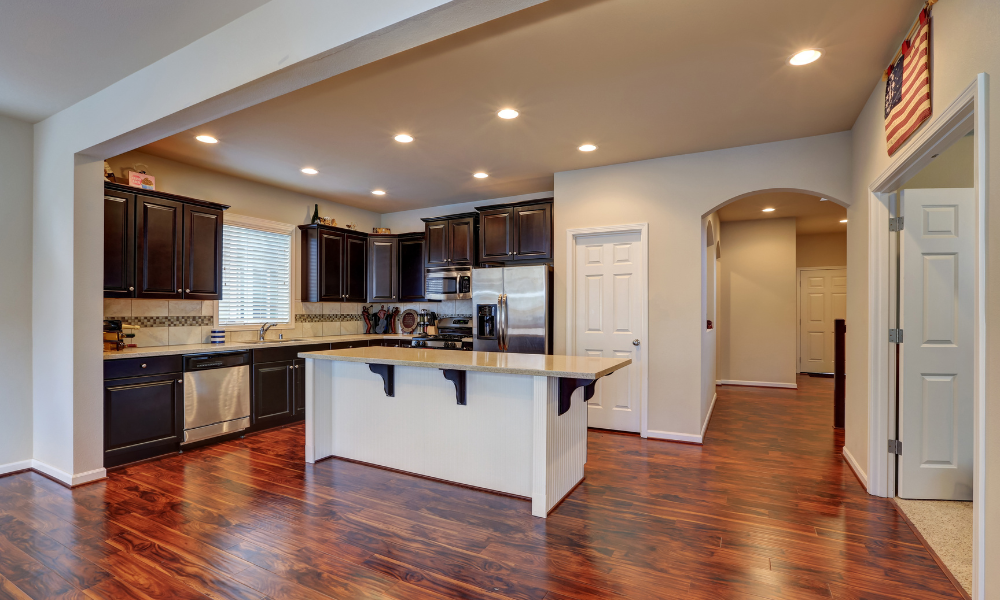
Kitchen Remodeling
Kitchen remodeling serves as a significant home improvement venture, crucial for various reasons. This undertaking not only focuses on enhancing aesthetics but also improves the overall functionality of one of the most utilized spaces in a home. As families gather in the kitchen for meals and conversations, optimizing this area can lead to better workflows and increased comfort. Additionally, homeowners often pursue renovations to uplift their property value, making it increasingly attractive to prospective buyers in a competitive real estate market.
In recent years, the trend of kitchen remodeling has evolved to include a strong emphasis on sustainability, which aligns with the growing awareness regarding environmental issues. Homeowners are increasingly recognizing the importance of integrating eco-friendly options into their remodeling projects. This shift is not just a passing trend, but a pivotal change in how kitchen spaces are designed and renovated. Sustainable choices, such as utilizing energy-efficient appliances, reclaiming materials, and choosing low-VOC (volatile organic compounds) paints, have become paramount considerations for many remodelers.
The incorporation of green materials and designs in kitchen renovations can produce multiple benefits. Environmentally conscious homeowners often find that these sustainable improvements not only decrease their ecological footprint but also result in long-term cost savings. Energy-efficient appliances, for instance, can significantly reduce utility bills over time. More than just an investment in the home, eco-friendly kitchen remodeling has the potential to enhance the quality of life while promoting a healthier planet. Through informed choices and thoughtful design, homeowners can successfully create a kitchen that meets their needs while respecting and protecting the environment.
The Importance of Eco-Friendly Choices
As homeowners embark on the journey of kitchen remodeling, the choice of materials and design can significantly impact both the home environment and the wider ecological system. Traditional kitchen materials, often composed of non-renewable resources, contribute to deforestation, pollution, and excessive energy consumption. By opting for eco-friendly choices, homeowners not only reduce their carbon footprint but also promote sustainability within their living spaces.
The environmental consequences of conventional kitchen materials are troubling. For instance, products made from virgin materials require extensive energy and water consumption during production, leading to increased greenhouse gas emissions. In contrast, sustainable kitchen designs prioritize the use of renewable materials, which helps in conserving natural resources and reducing waste. Furthermore, many eco-friendly materials are crafted from recycled products, diminishing the need for raw materials and decreasing landfill waste.
In addition to environmental benefits, selecting eco-friendly options during kitchen remodeling can lead to improved indoor air quality, which enhances the overall health and well-being of residents. Many conventional building materials release volatile organic compounds (VOCs) and other harmful chemicals into the air, potentially causing respiratory issues and other health problems. Sustainable alternatives, such as low-VOC paints, bamboo cabinetry, and natural stone countertops, not only contribute to a healthier living environment but also offer durability and aesthetic appeal.
Moreover, energy-efficient appliances and fixtures play a vital role in reducing energy consumption within a kitchen. Incorporating Energy Star-rated appliances and utilizing LED lighting can lead to significant savings on utility bills while promoting a more sustainable lifestyle. As awareness of environmental challenges grows, the choice to remodel kitchens with eco-friendly practices is an essential step toward fostering a sustainable future.
Choosing Sustainable Materials
When embarking on a kitchen remodeling project, selecting sustainable materials is essential for creating an eco-friendly environment. The kitchen is one of the most frequented areas in a home, and utilizing materials that are both stylish and sustainable can significantly reduce your environmental impact. There is a wide array of eco-friendly options available for kitchen countertops, cabinets, flooring, and appliances that adhere to principles of sustainability.
For countertops, consider materials such as bamboo, recycled glass, or salvaged wood. Bamboo is a rapidly renewable resource, while recycled glass counters are made from post-consumer waste, representing an innovative way to reduce landfill contributions. In terms of cabinets, look for those constructed from certified wood sources, such as the Forest Stewardship Council (FSC), which ensures that the timber is harvested responsibly from well-managed forests. Moreover, cabinets made from reclaimed wood not only possess unique character but also contribute to sustainability efforts.
The choice of flooring can also greatly impact the kitchen’s ecological footprint. Sustainable flooring options include cork, bamboo, and reclaimed hardwood. Cork, harvested from the bark of cork oak trees, is a renewable material that offers excellent durability. Reclaimed hardwood, sourced from deconstructed buildings or old furniture, provides not just sustainability but also historical charm. When selecting flooring, ensure that any adhesives or finishes used are low in volatile organic compounds (VOCs), reducing harmful emissions and contributing to indoor air quality.
In terms of appliances, opt for energy-efficient models certified by ENERGY STAR. These appliances consume less energy and water, thus decreasing your monthly utility bills and environmental impact. Sourcing these sustainable materials can be accomplished through local suppliers or specialty stores that focus on eco-friendly products. Ensuring that materials are certified and sustainably sourced is vital to guarantee that your kitchen remodel maintains its eco-friendly integrity.
Energy Efficiency in Kitchen Design
Incorporating energy efficiency into kitchen design is a strategic approach to not only reduce energy consumption but also minimize operational costs. One of the most impactful changes that homeowners can make is the selection of energy-efficient appliances. Look for appliances that are ENERGY STAR certified, as these products meet strict energy efficiency criteria set by the Environmental Protection Agency. Refrigerators, dishwashers, and ovens that are ENERGY STAR compliant can significantly lower electricity usage, leading to considerable savings over time.
Another essential aspect of an energy-efficient kitchen is lighting. Traditional incandescent bulbs consume a considerable amount of energy, while LED lighting options reduce energy usage by up to 80%. LEDs have a longer lifespan and improve the overall lighting quality in the kitchen. Homeowners should focus on installing LED fixtures in both task and ambient lighting areas to ensure optimal energy efficiency.
Proper insulation is often an overlooked element in kitchen design. Ensuring that walls, ceilings, and floors are well-insulated can minimize energy loss, thereby reducing heating and cooling demands. This is particularly important in climates that experience extreme temperatures. Utilizing energy-efficient windows with double or triple glazing can further enhance insulation and energy performance in the kitchen.
Finally, integrating smart technology into the kitchen is an innovative way to monitor and manage energy consumption. Smart thermostats, energy monitoring systems, and automated lighting can optimize energy usage based on the homeowner’s routine and preferences. These technologies allow for real-time adjustments, which can lead to substantial energy savings.
By implementing these energy-efficient strategies and technologies, homeowners can create a sustainable kitchen environment that aligns with eco-friendly values while enjoying the long-term benefits of reduced energy costs.
Water Conservation Techniques
Incorporating water conservation techniques into your kitchen remodeling project can significantly contribute to sustainability while reducing your household water usage. One of the most effective ways to achieve this is by selecting water-efficient fixtures. For instance, modern low-flow faucets and aerators can reduce water flow without compromising pressure, helping homeowners save substantial amounts of water daily. Additionally, water-saving dishwashers, which are designed to use less water per cycle than traditional models, can also play an essential role in fostering eco-friendliness in the kitchen.
Another innovative option worth considering is the installation of greywater recycling systems. These systems allow the reuse of water from sources like sinks, showers, and laundry machines for irrigation or flushing toilets. By redirecting greywater, homeowners not only conserve potable water but also minimize the environmental impact associated with wastewater treatment processes. Implementing such systems requires careful planning during the renovation, ensuring compliance with local regulations and plumbing standards, thereby enabling effective and sustainable water conservation.
Proper landscaping is equally crucial for maximizing water conservation efforts. Selecting native plants that require minimal irrigation, as well as creating rain gardens or installing permeable surfaces, can significantly reduce water runoff and support efficient water usage. Additionally, planning for drought-resistant landscaping will not only enhance the aesthetic appeal of your home but also promote overall water savings.
Ultimately, incorporating these water conservation techniques into your kitchen remodel is a proactive approach, benefiting both the environment and your household budget. By carefully considering your choices of fixtures, recycling systems, and landscaping options, you can create a sustainable kitchen that actively contributes to water conservation efforts. Such thoughtful planning ensures that your kitchen remains both functional and eco-friendly for years to come.
Waste Reduction and Recycling Strategies
Effective waste reduction is a pivotal aspect of eco-friendly kitchen remodeling. By prioritizing strategies such as deconstruction over traditional demolition, homeowners can significantly minimize waste. Deconstruction entails carefully dismantling structures to salvage materials for reuse rather than discarding them in landfills. This method not only conserves resources but also can lead to substantial cost savings, as salvaged materials can often be used in other renovation projects or donated to nonprofit organizations.
In addition to deconstruction, donating or recycling old kitchen materials plays a crucial role in achieving sustainability. Many homeowners overlook the potential for their outdated appliances, cabinets, and fixtures to serve a second life. Donating usable items to local charities or thrift stores contributes to a circular economy, allowing these materials to benefit others in the community. Furthermore, a number of municipalities offer recycling programs specifically for appliances and construction debris. Researching local services ensures that these materials do not end up in landfills, thereby supporting a more sustainable outlook.
It is also essential to choose remodeling products and furnishings that come with minimal packaging. Reducing packaging waste is an effective step towards achieving a zero-waste kitchen. Opting for products that utilize recycled materials or are packaged sustainably can significantly diminish the environmental impact of one’s remodeling project. When selecting new items, consider products from manufacturers that prioritize eco-friendly practices and emphasize packaging reductions.
Implementing a systematic recycling approach for kitchen waste post-remodel is vital. By creating designated areas for composting organic materials and recycling consumables, homeowners can maintain a clean and environmentally responsible kitchen environment. This holistic focus on waste reduction and recycling strategies fosters a lifestyle rooted in sustainability, ultimately promoting a healthier home and planet.
Incorporating Natural Lighting
Natural lighting plays an essential role in contemporary kitchen design, not only enhancing aesthetic value but also significantly contributing to energy conservation. By maximizing sunlight exposure, homeowners can reduce reliance on artificial lighting, leading to lower energy consumption and decreased electricity bills. Creating a kitchen layout that encourages the flow of natural light involves strategic positioning of windows and the incorporation of skylights, which allow sunlight to illuminate the space throughout the day.
The arrangement of cabinetry and countertops can also influence natural light distribution. Open shelving units can be positioned to reflect light effectively, while lighter-colored materials and finishes can enhance the illumination within the kitchen. For instance, opting for light-toned countertops and cabinetry can amplify natural light reflection, creating an even brighter and more inviting environment. In this regard, glass-front cabinets and mirrored backsplashes serve as versatile solutions for optimizing light reflection and maintaining an airy feel within the kitchen.
Furthermore, integrating natural lighting in kitchen remodeling not only benefits energy consumption but also has significant psychological and health impacts. Exposure to natural light is known to improve mood and reduce stress levels, fostering a more enjoyable cooking and dining experience. Research has indicated that spaces filled with natural light can enhance productivity and concentration, making this a key consideration for any kitchen design. Additionally, access to sunlight encourages a connection with the outdoors, providing a refreshing perspective while engaging in daily activities.
In conclusion, thoughtfully incorporating natural lighting into kitchen remodeling can lead to improved energy efficiency, aesthetic beauty, and psychological well-being. By emphasizing designs that invite sunlight, utilizing reflective materials, and optimizing layouts, homeowners can create a harmonious atmosphere that contributes to a sustainable living environment.
Creating an Indoor Garden
Indoor gardening is an innovative approach to sustainability that allows homeowners to incorporate greenery into their kitchens, promoting both environmental benefits and aesthetic enhancements. By cultivating herbs, vegetables, and even fruits indoors, individuals can enjoy the fresh produce while reducing their carbon footprint associated with grocery transportation. With the right creative strategies, an indoor garden can thrive in various spaces.
Container gardening is a popular method, where plants are grown in pots or containers, making it highly adaptable to different kitchen sizes. This technique allows for the cultivation of a variety of herbs like basil, cilantro, and thyme, which not only add flavor to meals but also purify the air. Selecting self-watering pots can further streamline maintenance, ensuring plants receive necessary moisture without constant supervision.
Vertical gardening is another attractive option for eco-conscious homeowners looking to maximize space while cultivating an indoor garden. Wall-mounted planters or trellises can be installed, allowing for a lush display of climbing plants or stacked containers for smaller herbs, requiring minimal floor space. This not only utilizes vertical areas effectively but also creates a striking visual element that enhances the kitchen’s ambience.
In addition to being sustainable, an indoor garden promotes well-being by providing fresh ingredients at the fingertips of the cook. The cultivation process itself can be a therapeutic activity, reducing stress and creating a bond with nature. Moreover, many herbs and vegetables are easy to grow, making this endeavor accessible for novices and seasoned gardeners alike. The satisfaction of using freshly harvested ingredients in daily meals is unmatched and contributes to a more sustainable lifestyle.
Future of Eco-Friendly Remodeling
As we reflect on the journey towards eco-friendly kitchen remodeling, it becomes evident that sustainable choices not only benefit the environment but also enhance the functionality and aesthetics of our homes. Throughout this blog post, we have explored various aspects of eco-conscious renovations, including the use of sustainable materials, energy-efficient appliances, and innovative design strategies that prioritize resource conservation. By incorporating these elements into kitchen remodels, homeowners are empowered to reduce their carbon footprint while enjoying a modern and efficient space.
The importance of making informed decisions cannot be overstated at this juncture. It is essential for consumers to understand the environmental impact of the choices they make during the remodeling process. This encompasses everything from selecting sourcing options that reduce waste to investing in long-lasting, energy-efficient systems that can significantly lower utility costs over time. When homeowners prioritize sustainability, they contribute to a collective movement toward a healthier planet and inspire others to follow suit.
Looking ahead, the future of eco-friendly remodeling appears promising. Emerging trends suggest a growing emphasis on biomimicry in design—adopting natural systems and processes to inform kitchen layouts and functionality. Furthermore, smart technology continues to evolve, offering powerful tools for enhancing energy efficiency and monitoring resource usage in real time. As these innovations become increasingly mainstream, they will undoubtedly pave the way for more sustainable home environments.
In summary, eco-friendly kitchen remodeling stands as a vital component in the pursuit of sustainable living. Individuals are encouraged to remain aware of their environmental impact when making remodeling decisions. By embracing sustainable practices today, we can create a brighter, more responsible future for generations to come.